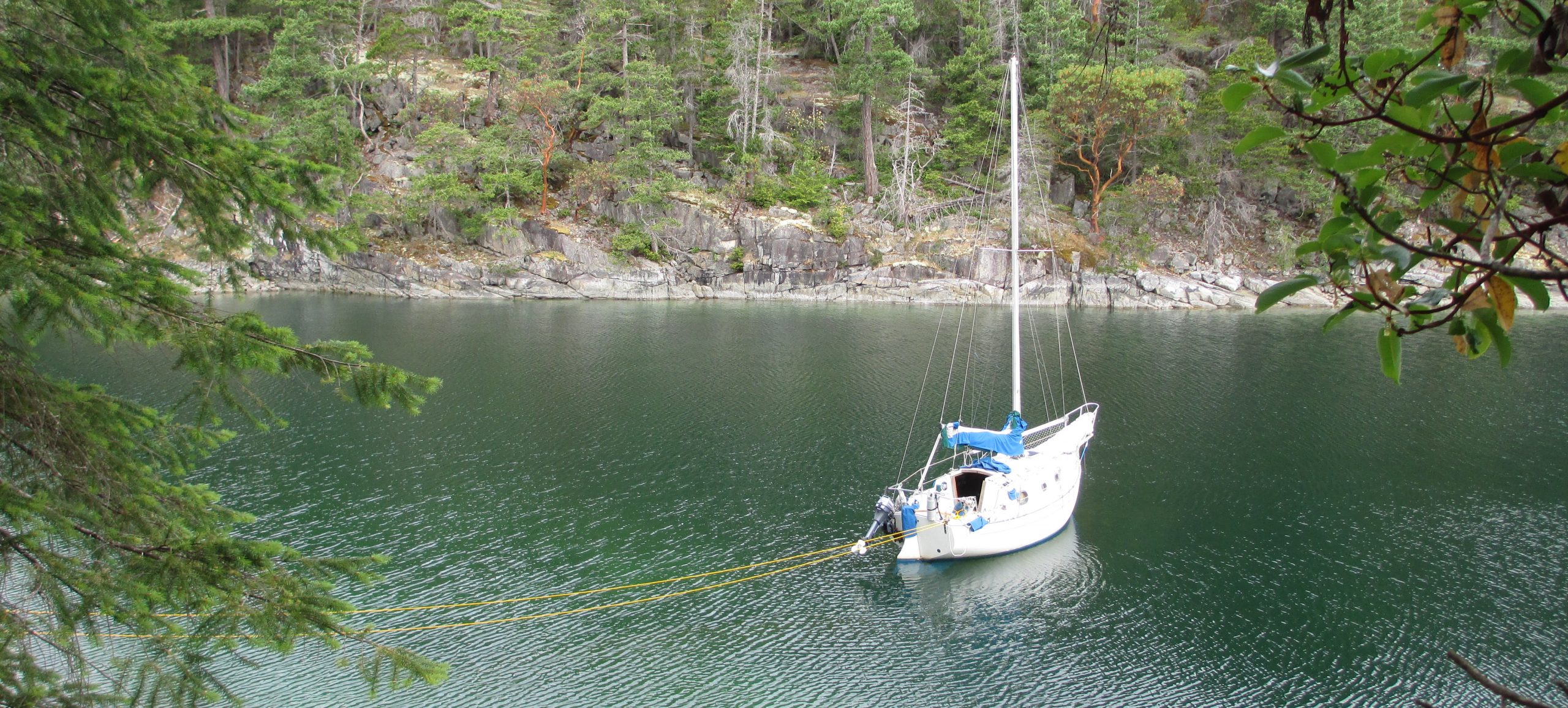
The Vendee Globe Race has little appeal to me, but the Mini Globe Race is another matter all together. If you are visiting this site, there’s a good chance you too are a fan of small boats. I have been watching this race develop for a few years now, and it’s an undertaking after my own heart. I am not participating as I just recently finished my own Flicka 20 expedition from the Pacific Northwest to The Marquesas and back, but part of me definitely wishes I was. You are invited to peruse this website if small boat sailing and expeditions put a twinkle in your eye. If you’ve never sailed across an ocean in a 20-foot boat before, you have no idea. And if you have, you do. The club is very small. (Pun intended)
And here are a few links about the Mini Globe Race to give you a wormhole to descend into. (In case you don’t already know.):
https://www.latitude38.com/lectronic/2024/12/30/#mcintyre-mini-globe-race-qualifying-leg-underway
Here are a couple videos about lowering masts on small sailboats for the DIY folks.
First, a keel-stepped mast using a gin pole. Courtesy of the Port Townsend Sailing Association.
Video: Steve Scharf
Second, a deck-stepped mast using the boom. There was also a write-up on this in ‘Lectronic Latitude – Lowering the Mast on a Small Boat with The Resourceful Sailor.
September 18, 2023
Some cruising friends and I were exclaiming how dramatically Sampaguita rolled in this anchorage. Timing is everything.
December 23, 2024
Fortunately, not there now.
“What did you call me!?”
It’s another Resourceful Sailor installment brought to you by Latitude 38 and ‘Lectronic Latitude. This one covers the marlinspike craft of baggywrinkle and how The Resourceful Sailor applied it on Sampaguita. It was published on December 9th, 2024.
Click here for the full article.

Thanks to Monica and Latitude 38‘s online version, ‘Lectronic Latitude, for publishing The Resourceful Sailor Says GPS Is Not Guaranteed Positioning System on October 23, 2024. It conveys an experience in the Port Townsend area regarding GPS and a new Standard Horizon VHF radio installed on Sampaguita, a 1985 Flicka 20 sailboat.
Click the link below to be directed to the full article. Thanks for checking it out.
https://www.latitude38.com/lectronic/resourceful-sailor-gps-not-guaranteed-positioning-system/

Have you ever skyed a halyard on your sailboat? Not yet? Give it time.
Here we go again…‘Lectronic Latitude, the online version of Latitude 38, was kind enough to publish another Resourceful Sailor article called The Resourceful Sailor: Skyed Halyard Retrieval Made Easy for their September 13, 2024 issue and I really appreciate it. And there’s a video to boot. It discusses how I retrieve a skyed halyard on Sampaguita, a Pacific Seacraft Flicka 20.
Click the link below to be directed to the article:
I found this Flicka 20 and Pacific Seacraft 25 bowsprit and bow platform diagram in my boat papers and realized I had never posted it. It came with Sampaguita when I purchased her. I believe it to be accurate.
A previous owner replaced Sampaguita‘s bowsprit. They opted to use a solid piece of teak. I believe the factory sprit was laminated Douglas Fir (or Spruce.) The teak has proven rot-resistant and strong enough that I have not needed to replace it. Being teak, it also does not require the coating maintenance that a factory sprit would need. (What a relief!) One disadvantage is that the teak is considerably heavier than the Fir or Spruce.
I have had the assembly apart a few times for inspection. In 2022, I removed the sprit and platform entirely from the boat. After 35 years, the original teak platform had decayed around the bow pulpit fasteners.
Pacific Seacraft in North Carolina will build new teak platforms and sprits. However, I had a local Port Townsend shipwright (Lowest Hadlock Shipwrights) build Sampaguita‘s new platform and suss the sprit at considerable savings. I delivered the sprit and platform to them, which allowed them to “copy” the bow platform and fit it together. I offered this diagram, but with the old assembly, I do not believe they used it. It took about a day, with the teak sourced from Edensaw Woods. It looks the same as the factory platform. I then installed the assembly myself.
It has been great. It is a significant part of the standing rigging. It also supports the anchor, both for storage and in use. Additionally, with hank on sails, it is a secure platform for working on the bow. It performed well on Sampaguita‘s Pacific Ocean tour.

Thank you Latitude 38 and ‘Lectronic Latitude editor, Monica Grant, for publishing the latest installment of The Resourceful Sailor with a rare hard copy appearance in the August 2024 edition of the magazine.
In this piece I give experiential insight on Sampaguita’s solar energy solution while voyaging.
I wrote this while at anchor in La Paz, Mexico waiting for the season to head for Marquesas.
This is pretty much what it is, except when it isn’t.
The boat goes tick-tock from side to side as the following sea rolls under it. A soundtrack to fall asleep to. A motion to hypnotize you. It just goes on and on.
The grey skies make it chilly and moist. Everything salty sucks up the moisture. Foulies keep you dry and warm. And a hot cup of tea……
Beam on and reefed down, charging across the trades. Beam on is wetter, but faster. Also, I was pinned down on the starboard tack, which made the ride more comfortable. Downwind sailing in the trades is a very rolly experience which makes for less predictable motion. I spilled more things going downwind in the trades than I did beam on. Just sayin’.


 sailingwithjosh
